

Income Protection to Safeguard Your Monthly Income
What Is Income Protection?
Income protection replaces a percentage of your income if you're unable to work due to illness or injury. Unlike critical illness cover, it can pay out for any condition that prevents you from working, not just a specified list of illnesses.
Payments can help cover bills, mortgage payments and essential living costs for a set number of years, or until you retire, depending on the benefit period you choose.
The deferred period is the waiting time between when you stop working and when payments begin. Choosing a longer deferred period, aligned to any savings or sick pay you have, can help reduce your premiums. The benefit period determines how long payments continue, short-term policies pay out for a set number of years, while long-term policies can continue until you retire.
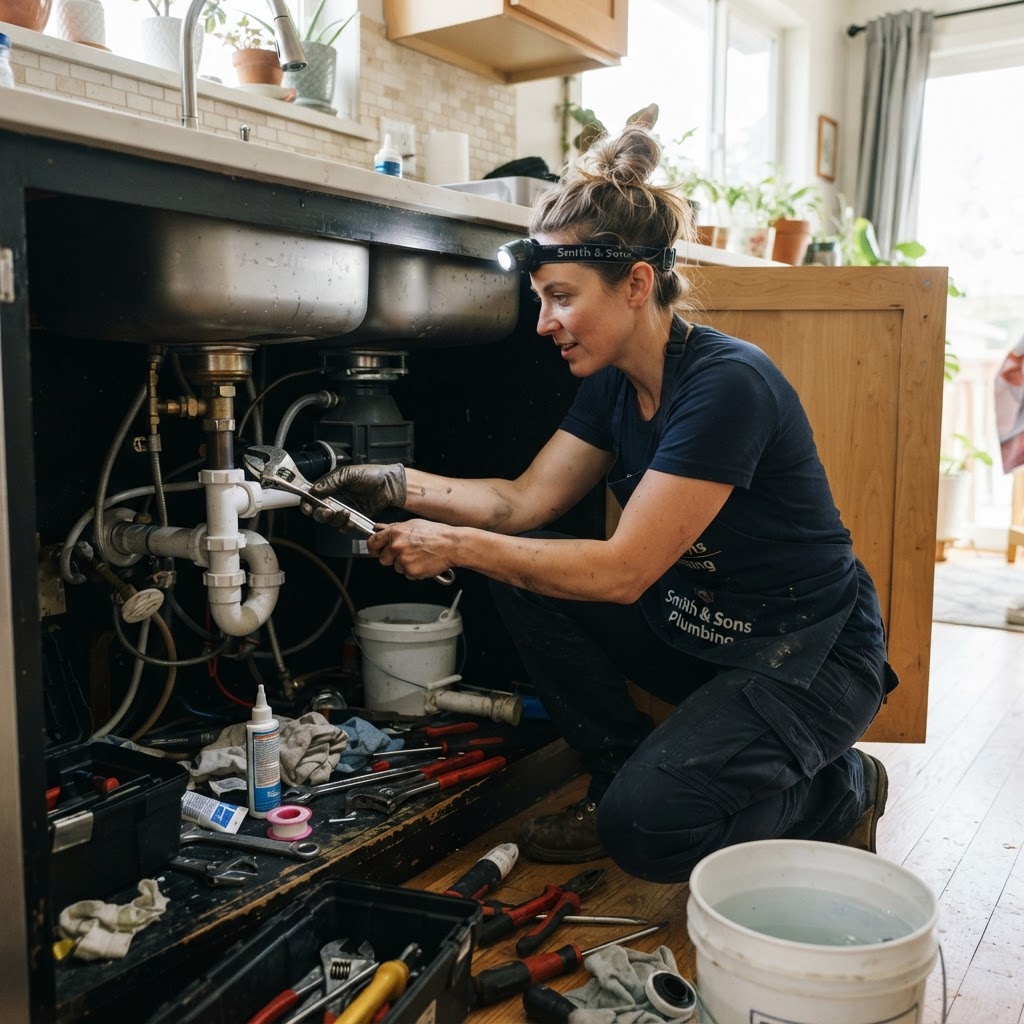
Your income underpins everything
If illness or injury stops you working, income protection helps keep the bills paid, the mortgage covered and life on track.
Why Income Protection Matters for the Self-Employed
When you're self-employed, there's no employer to fall back on. No employer sick pay, no group scheme. If illness or injury stops you working, your income stops too, and your business may not generate income while you're unable to work in it. It's worth asking yourself: would your savings be enough to cover your bills, mortgage and everyday costs for months or even years? How would you pay the mortgage, household bills and other essential costs if you couldn't work? For most self-employed people, savings alone would not stretch far enough, which is why income protection is often the most important cover a self-employed person can arrange.

Keep your income, even when you can't work
If you're self-employed there's no employer sick pay to fall back on. Income protection helps make sure an illness or injury doesn't become a financial crisis too.
Cover is built around how you earn: your income, your deferred period, and how long you'd need payments to continue.
- Replace a percentage of your income
- Cover mortgage, bills and everyday costs
- Choose a deferred period to suit your savings
- Short-term or long-term benefit options
Business Owners and Directors
Company directors who draw a combination of salary and dividends should review whether standard income protection covers their full remuneration. If you're looking for cover paid for by your business, take a look at Executive Income Protection on our Business Protection page.
Income Protection FAQs
Ready to Protect Your Income?
New to protection or reviewing existing plans? Either way, we'll talk you through the options and recommend what genuinely suits your situation.
Review My Income Protection
Tell us about your circumstances and we'll be in touch to discuss your options.